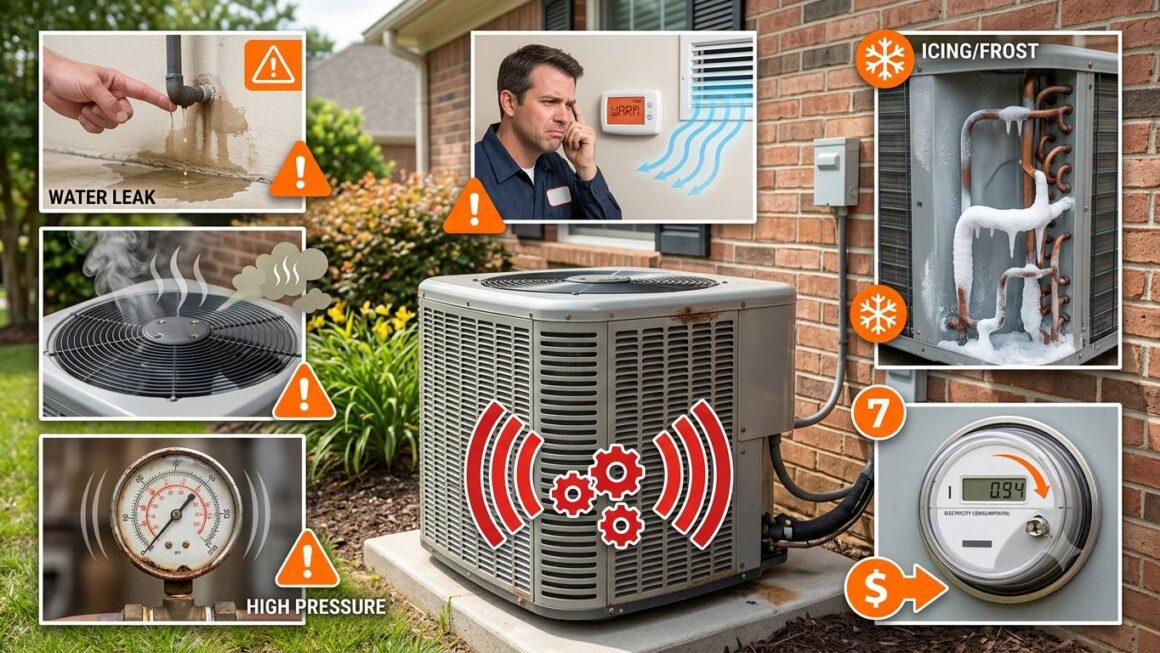
As the summer sun begins to bake the pavement and humidity levels climb, your air conditioner transitions from a seasonal convenience to a vital household necessity. For many homeowners, the cooling system is a “black box” that is expected to perform flawlessly on demand. However, the reality of mechanical cooling is that it relies on a delicate balance of airflow, electrical precision, and chemical heat exchange. When one of these elements falls out of alignment, the entire system must work harder to achieve the same results, leading to discomfort and inflated energy bills. Understanding the fundamentals of cooling efficiency is the first step toward transforming your home into a sustainable, cost-effective sanctuary during the hottest months of the year.
The secret to a long-lasting HVAC system isn’t found in expensive emergency repairs, but rather in the consistency of its care. Neglecting the small details of your unit can lead to a “domino effect” of mechanical failures that eventually culminate in a total system breakdown during a heatwave. By prioritizing a professional AC tune-up, you can identify minor issues—such as a fraying fan belt or a struggling capacitor—before they evolve into catastrophic problems. This proactive approach not only ensures your family stays cool but also protects your long-term financial investment by extending the operational lifespan of your equipment.
The Critical Role of Airflow and Filtration
Airflow is the lifeblood of any air conditioning system. To remove heat from your home, your AC must be able to pull warm air across the evaporator coils and circulate chilled air back into your living spaces. When this path is obstructed, the system experiences increased static pressure, which forces the blower motor to consume more electricity and generate more internal heat.
The primary culprit of restricted airflow is a dirty air filter. In a typical American household, filters should be checked every 30 days and replaced at least every 90 days. If you have pets, live in a dusty area, or suffer from seasonal allergies, you may need to swap them more frequently. A clean filter ensures that the internal components of your air handler stay free of debris, which is essential for maintaining high energy efficiency and preventing the evaporator coils from freezing over.
Why Professional Calibration Matters
While there are several tasks a handy homeowner can manage, certain technical aspects of cooling efficiency require specialized tools and training. A comprehensive AC tune-up involves more than just a surface cleaning; it includes a deep dive into the system’s electrical and chemical performance. For example, a technician will measure the “subcooling” and “superheat” levels of the refrigerant. If these levels are even slightly off, the unit will lose a significant percentage of its cooling capacity while running for much longer cycles.
Electrical Connections and Component Testing
Over time, the vibrations caused by the compressor and fan motors can loosen electrical connections. Loose wires lead to increased resistance, which creates heat and can eventually melt wire nuts or damage control boards. During a professional visit, a technician will tighten all terminals and test the “starting” and “running” capacitors. These components act like batteries to kickstart the motors; when they begin to fail, they draw excessive current, which can trip breakers and shorten the life of the compressor—the most expensive part of your system.
Maintaining the Outdoor Condenser Unit
The outdoor portion of your air conditioner is responsible for releasing the heat that was collected from inside your home. Because it is exposed to the elements, the condenser unit is prone to accumulating grass clippings, dirt, and fallen leaves. This debris acts as an insulating blanket, trapping heat inside the coils and preventing the refrigerant from cooling down properly.
To maintain peak efficiency, ensure there is at least a two-foot “clear zone” around the outdoor unit. Trim back any shrubs or tall weeds that might be encroaching on the space. You can also gently rinse the coils with a garden hose (using low pressure) to remove fine silt and pollen. Never use a high-pressure power washer, as the delicate aluminum fins on the coils are easily bent, which permanently restricts airflow.
Simple Habits for Daily Energy Savings
Beyond mechanical maintenance, how you interact with your home environment can significantly reduce the “heat load” that your AC has to combat. By making small adjustments to your daily routine, you can keep your home comfortable without forcing your cooling system to run at 100% capacity around the clock.
- Utilize Smart Thermostats: Program your system to allow the temperature to rise by 4 or 5 degrees when the house is empty, and schedule it to pre-cool shortly before you return.
- Keep Blinds Closed: Use blackout curtains or heavy blinds on south and west-facing windows during the day to block radiant heat from the sun.
- Run Ceiling Fans: Ensure fans are spinning counter-clockwise to create a wind-chill effect, allowing you to set the thermostat a few degrees higher without losing comfort.
- Cook Smart: Avoid using the oven during the hottest part of the afternoon; instead, use a microwave, slow cooker, or outdoor grill to keep heat out of the kitchen.
- Seal the Envelope: Check the weatherstripping around doors and the caulking around windows to prevent “conditioned” air from leaking out and hot, humid air from seeping in.
The Long-Term Benefits of Efficiency
A highly efficient air conditioner does more than just lower your utility bills; it provides superior dehumidification. In many parts of the U.S., the “discomfort” of summer is caused more by humidity than by actual temperature. When your system is perfectly calibrated and has unobstructed airflow, it can pull moisture out of the air more effectively. This creates a crisp, dry indoor environment where 75 degrees feels much cooler than it would in a humid house. Furthermore, an efficient system undergoes fewer “start-stop” cycles, which reduces mechanical fatigue and ensures that your home remains a quiet, peaceful sanctuary.
Conclusion
Maximizing the cooling efficiency of your home is a multi-faceted process that combines routine DIY tasks with expert professional oversight. By focusing on consistent airflow, keeping your outdoor unit clear of debris, and embracing smart technology, you can enjoy a more comfortable living space while significantly reducing your environmental footprint. Remember, the best time to address your air conditioner’s health is before the peak of summer arrives. A little bit of attention today ensures that your system will be ready to perform when you need it most, providing reliable comfort for your family all season long.