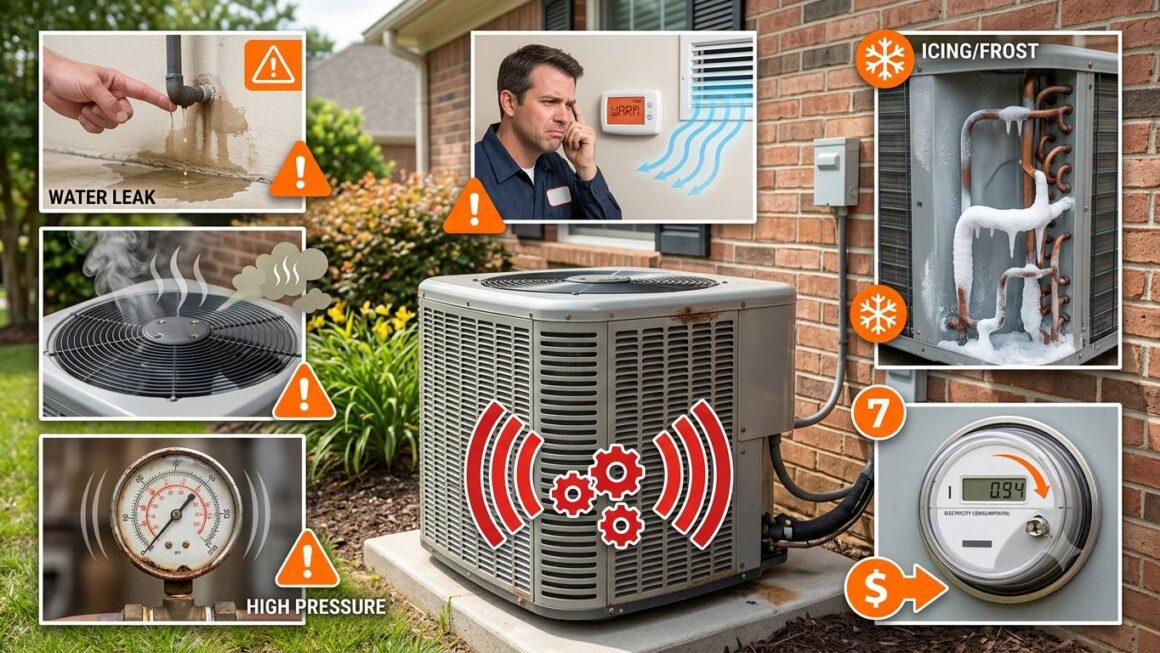
Your home’s HVAC system works hard through every season, but it rarely fails without warning. Strange noises, rising energy bills, uneven temperatures, and frequent repairs often signal that your system is nearing the end of its lifespan. Understanding these signs early can help homeowners avoid costly breakdowns, improve indoor comfort, and make smarter energy decisions before small problems become major expenses.
A reliable HVAC system is one of the most important parts of a comfortable home. It keeps indoor temperatures stable, improves air quality, and helps families stay comfortable throughout the year. Yet many homeowners continue using outdated systems long after performance begins to decline. What starts as a minor inconvenience often develops into higher energy costs, uneven cooling, and repeated repair bills.
If your heating and cooling system no longer performs the way it once did, it may be time to consider an upgrade. Modern HVAC systems are designed to deliver better efficiency, quieter operation, and improved climate control. Recognizing the early warning signs can help homeowners avoid unexpected breakdowns and costly emergency repairs.
Rising Energy Bills Without Explanation
One of the clearest signs of an aging HVAC system is a steady increase in monthly energy costs. Older systems lose efficiency over time as internal components wear down. Motors work harder, airflow becomes restricted, and cooling cycles become less effective.
Even if utility rates remain stable, homeowners may notice their bills rising each season. This happens because outdated HVAC systems consume more electricity while delivering less performance.
Many homeowners begin researching HVAC installation options in Ashburn, VA, after noticing their system struggles to maintain comfort during extreme weather. Upgrading before a complete failure often provides better long-term savings and greater peace of mind.
Uneven Temperatures Throughout the Home
A properly functioning HVAC system should maintain consistent temperatures in every room. If some rooms feel too warm while others remain cold, the system may be struggling to distribute air effectively.
Uneven temperatures can result from several issues, including ageing ductwork, declining blower performance, or an undersized HVAC unit. In many cases, older systems simply cannot keep up with the cooling and heating demands of modern households.
Hot and cold spots become especially noticeable during summer and winter months when the system works hardest. Homeowners often compensate by constantly adjusting the thermostat, which increases energy consumption without solving the underlying issue.
Frequent Repairs Are Becoming Normal
Every HVAC system requires occasional maintenance. However, repeated repairs within a short period usually indicate a larger problem. When repair costs begin adding up year after year, replacement often becomes the smarter financial decision.
Common warning signs include:
- Frequent refrigerant leaks
- Repeated thermostat failures
- Electrical issues
- Motor or compressor problems
- Constant system resets
While individual repairs may seem manageable, the combined costs can quickly exceed the value of keeping an old system running.
Homeowners searching for reliable HVAC installation in Ashburn, VA often do so after experiencing multiple breakdowns during peak summer or winter seasons. Replacing the system early helps avoid emergency service calls and sudden discomfort during extreme temperatures.
Your HVAC System Is More Than 10–15 Years Old
Age alone does not automatically mean a system needs to be replaced. However, most HVAC systems have a typical lifespan of around 10 to 15 years, depending on maintenance, usage, and climate conditions.
Older systems naturally become less efficient as technology evolves. Even if the unit still functions, it may consume significantly more energy than newer models.
Manufacturers continue improving HVAC technology with features such as:
- Smart temperature zoning
- High-efficiency heat pumps
- Improved humidity control
- Quieter operation
- Better filtration systems
Systems older than 15 years often rely on outdated refrigerants and parts that are becoming more expensive or difficult to replace. Upgrading before complete failure allows homeowners to plan properly rather than making rushed decisions during emergencies.
Strange Noises and Unusual Odors
HVAC systems should operate relatively quietly. While some operational sounds are normal, loud or unusual noises usually indicate internal wear or failing components.
Common warning sounds include:
- Grinding
- Banging
- Screeching
- Rattling
- Buzzing
These noises may point to loose parts, motor issues, airflow restrictions, or compressor failure.
Unpleasant smells are another warning sign. Musty odors may indicate mould growth inside ductwork or evaporator coils, while burning smells can signal overheating electrical components.
Poor Indoor Air Quality
Older HVAC systems often struggle to maintain healthy indoor air quality. Dust buildup, weak airflow, humidity imbalances, and poor filtration can negatively affect comfort and health.
Homeowners may notice:
- Excessive dust accumulation
- Increased allergy symptoms
- Dry indoor air
- Persistent humidity problems
- Stale or stuffy rooms
Modern HVAC systems include advanced filtration and humidity-control technologies designed to improve overall indoor air conditions.
Improved air quality can be especially important for households with children, elderly family members, or individuals with allergies and respiratory sensitivities.
Your System Runs Constantly
HVAC systems naturally cycle on and off throughout the day. However, if the unit runs almost continuously without reaching the desired temperature, it may no longer have the capacity to cool or heat the home effectively.
Constant operation places excessive strain on system components and increases energy consumption. Several factors may contribute to this issue, including ageing compressors, airflow restrictions, or improper system sizing.
Continuous operation often becomes more noticeable during extremely hot or cold weather when older systems struggle to maintain indoor comfort.
Smart Technology and Modern Efficiency Benefits
Many homeowners choose to upgrade not only because of system failure but also because of the benefits offered by modern HVAC technology.
Today’s systems provide features that improve convenience, comfort, and long-term savings. Smart thermostats allow homeowners to control temperatures remotely, monitor energy usage, and create automated schedules that reduce waste.
Variable-speed technology adjusts airflow more precisely, reducing temperature fluctuations and improving comfort. High-efficiency systems also operate more quietly than older models.
Wrapping Up
An aging HVAC system rarely stops working without warning. Rising energy bills, uneven temperatures, constant repairs, unusual noises, and declining comfort all signal that it may be time for an upgrade.
Replacing an outdated system before it completely fails can reduce long-term costs, improve indoor comfort, and increase energy efficiency. Modern HVAC systems offer quieter operation, smarter technology, and healthier indoor air quality that older units simply cannot match.