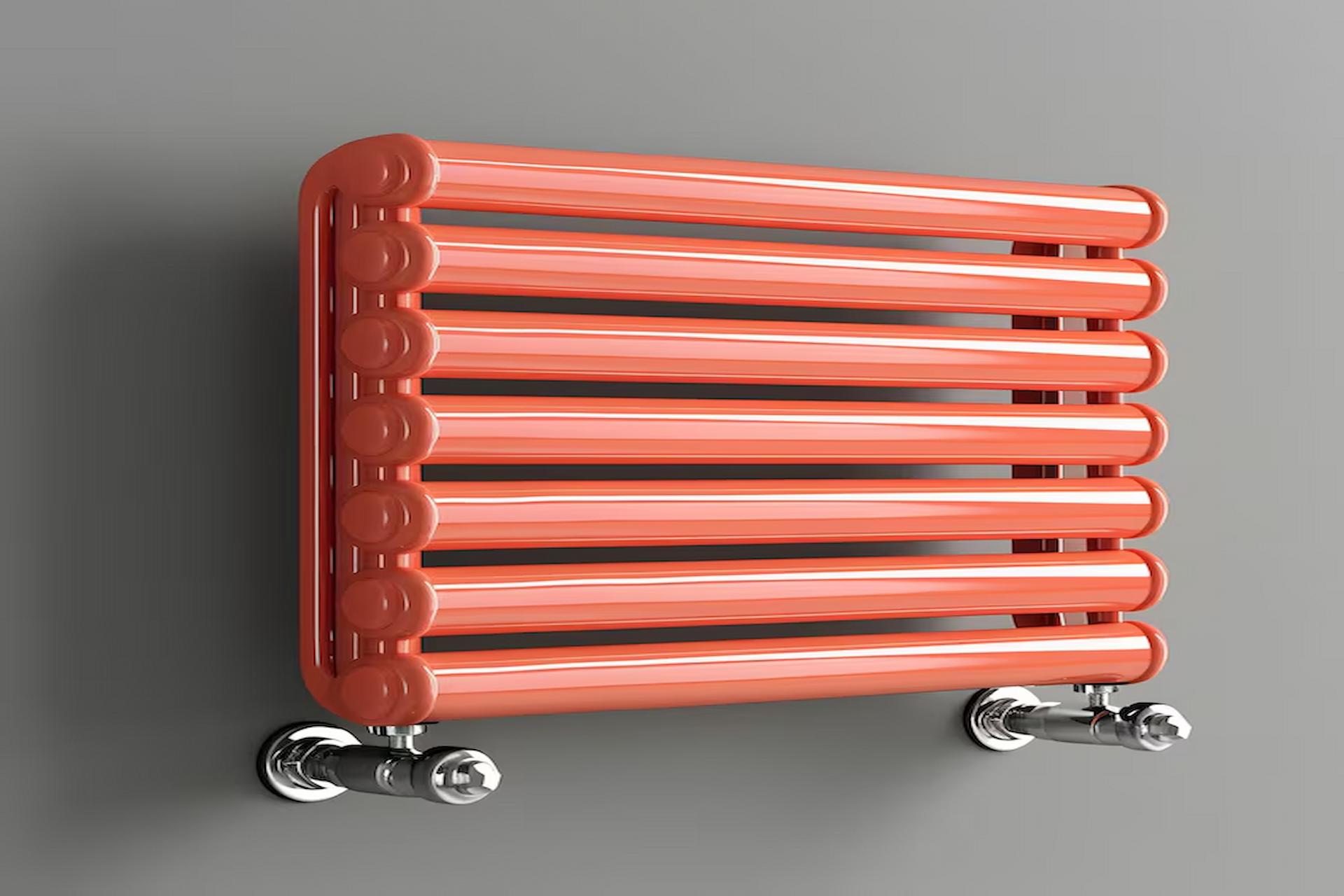
Heating systems have evolved to offer greater flexibility, efficiency, and control. Among the more versatile options available today is the dual fuel radiator. Designed to work with both central heating and electricity, it provides year-round comfort without relying entirely on one system. This makes it particularly useful in modern homes where energy efficiency and convenience are key considerations.
For homeowners exploring alternatives such as electric column radiators, dual fuel options offer a hybrid approach that combines the reliability of traditional heating with the independence of electric operation. Understanding how these radiators work and where they perform best can help you make a more informed decision for your space.
What Is a Dual Fuel Radiator?
A dual fuel radiator is a heating unit that connects to your central heating system while also featuring an electric heating element. This means it can operate in two ways:
- Central heating mode: When your main heating system is running, the radiator functions like any standard water-filled unit.
- Electric mode: When the central heating is off, the built-in electric element heats the radiator independently.
This dual functionality allows you to heat specific rooms without turning on the entire system. It’s a practical solution for maintaining comfort during transitional seasons or in areas that require occasional warmth.
How Does It Work?
The design of a dual fuel radiator is relatively straightforward. It is filled with water or a heat-conducting fluid and connected to your central heating pipework. In addition, an electric heating element is installed, usually at the bottom of the radiator.
When the electric mode is activated, the element heats the internal fluid, which then circulates within the radiator to emit warmth. This process mirrors how standard radiators work, but without relying on the boiler.
Many models come with thermostatic controls or timers, allowing you to adjust temperature settings and energy usage more precisely.
Key Benefits of Dual Fuel Radiators
1. Year-Round Usability
One of the most significant advantages is the ability to use the radiator at any time of year. Even when your central heating is switched off in warmer months, you can still enjoy heat in specific rooms.
2. Energy Efficiency
Instead of heating the entire house, you can target individual spaces. This reduces unnecessary energy consumption and can help manage heating costs more effectively.
3. Greater Control
Dual fuel systems give you flexibility in how and when you heat your home. You can rely on central heating during colder months and switch to electric mode for occasional use.
4. Ideal for Specific Rooms
They are particularly useful in rooms that are used at different times of the day or require additional warmth, such as bathrooms or home offices.
Where Should You Install a Dual Fuel Radiator?
Choosing the right location is essential to maximise the benefits of a dual fuel radiator. While they can be installed in most areas, certain spaces are especially well-suited.
Bathrooms
Bathrooms are one of the most popular locations for dual fuel radiators. They often need warmth outside of standard heating hours, especially in the morning or evening.
A dual fuel radiator allows you to
- Warm the room quickly without turning on the whole system
- Keep towels dry and comfortable
- Maintain a consistent temperature throughout the year
Kitchens
Kitchens can experience fluctuating temperatures due to cooking activities. A dual fuel radiator provides additional warmth when needed without overheating the space.
It is particularly useful in open-plan layouts where temperature control can be more challenging.
Home Offices
With more people working from home, heating a single workspace efficiently has become increasingly important. A dual fuel radiator ensures comfort during working hours without increasing overall energy usage.
Guest Rooms
Guest rooms are typically not used daily. A dual fuel radiator allows you to heat the room only when needed, making it both practical and cost-effective.
Conservatories
Conservatories often struggle with temperature regulation. While they can be cold in winter, they may not always require full central heating. A dual fuel radiator offers a flexible solution for occasional use.
Dual Fuel vs Electric Radiators
While dual fuel radiators provide flexibility, it’s worth comparing them with fully electric options like electric column radiators.
Dual fuel radiators:
- Work with central heating and electricity
- Offer flexibility in usage
- Require plumbing and electrical installation
Electric radiators:
- Operate independently of central heating
- Easier to install in some cases
- Suitable for homes without traditional heating systems
The choice depends on your home setup and heating preferences. Dual fuel models are ideal for integrating with existing systems, while electric-only options are better suited for standalone heating.
Installation Considerations
Before installing a dual fuel radiator, there are a few practical factors to keep in mind:
Plumbing and Electrical Access
Since these radiators require both water and electricity, installation can be slightly more complex than standard radiators. It’s important to ensure proper connections and safety compliance.
Professional Installation
For best results, installation should be carried out by a qualified professional. This ensures the radiator functions efficiently and safely.
Positioning
Placement affects how well the radiator heats the room. Installing it near areas where heat is most needed, such as under windows or along external walls, can improve performance.
Are dual-fuel radiators worth it?
Dual fuel radiators are a worthwhile investment for many households. They offer a balanced combination of efficiency, convenience, and flexibility.
They are particularly valuable if:
- You want to reduce reliance on central heating
- Certain rooms require independent heating
- You value energy control and seasonal adaptability
While the initial installation may require more planning, the long-term benefits often outweigh the setup effort.
Conclusion
Dual-fuel radiators provide a practical and flexible approach to home heating. By combining central heating with electric functionality, they allow you to maintain comfort without unnecessary energy use. Whether it’s warming a bathroom on a chilly morning or heating a home office during the day, they offer targeted warmth exactly where it’s needed.
When compared with alternatives like electric column radiators, dual fuel models stand out for their adaptability within existing systems. Choosing the right radiator ultimately depends on your home’s layout, heating needs, and lifestyle. With thoughtful placement and proper installation, a dual fuel radiator can become a reliable and efficient part of your heating setup throughout the year.