A heating system is one of the biggest investments in any home, and keeping it in good condition is essential for both comfort and long-term savings. While many homeowners only think about their heating equipment when something goes wrong, regular maintenance can prevent costly repairs, improve efficiency, and help extend the life of the entire system. If you’re considering services like furnace repair Suwanee, GA, routine maintenance is one of the best ways to reduce the likelihood of unexpected breakdowns.
Ignoring small issues may seem like a way to save money in the short term, but minor problems often grow into expensive repairs over time. Regular heating system maintenance helps catch these issues early while ensuring your system continues to operate safely and efficiently.
Why Regular Heating System Maintenance Matters
Heating systems work hard throughout the colder months, and every component experiences normal wear and tear. Dirt, dust, loose electrical connections, clogged filters, and worn parts can gradually reduce performance without obvious warning signs.
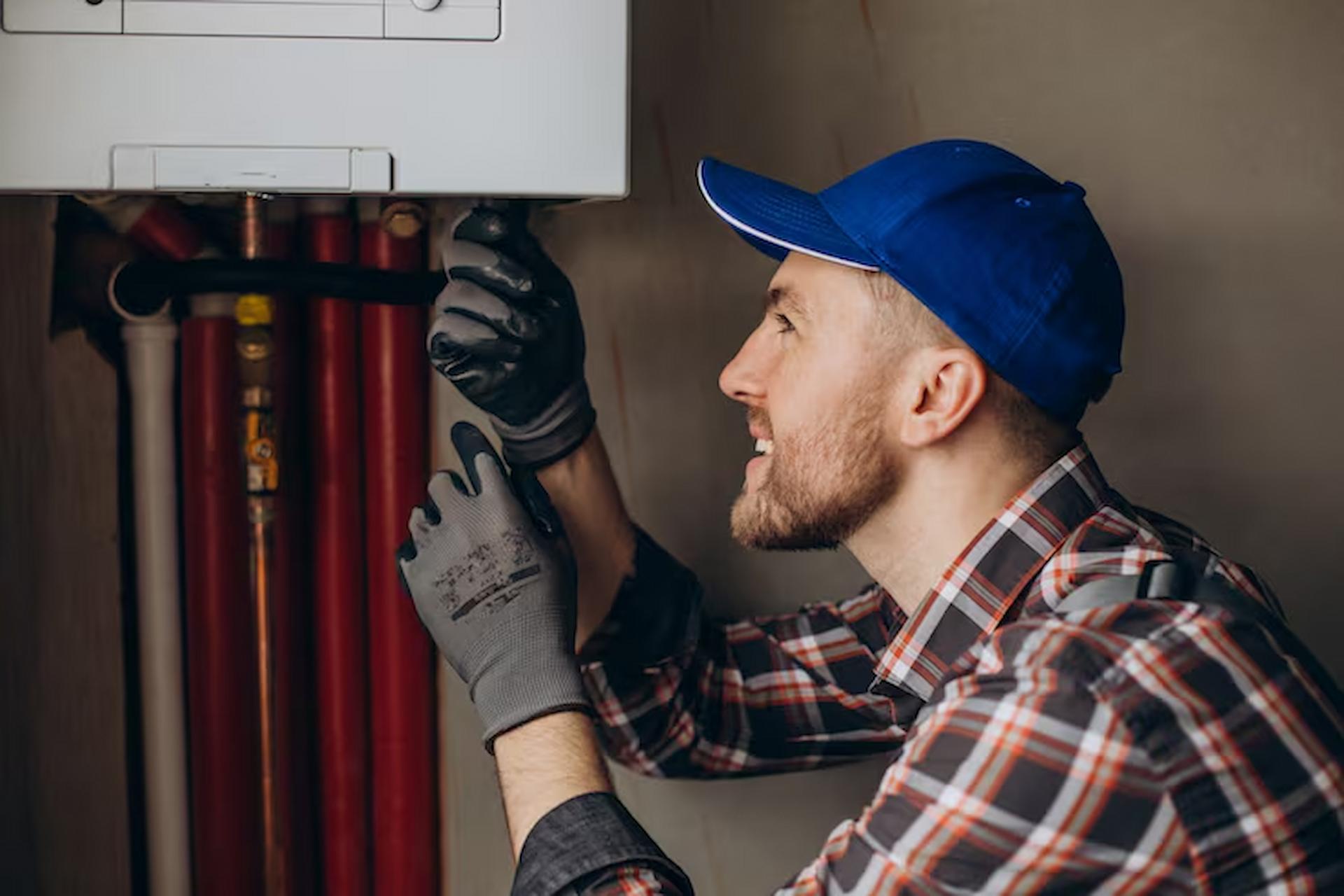
Routine maintenance allows a qualified technician to inspect the entire system, clean essential components, test safety controls, and identify developing problems before they become major failures.
A well-maintained system generally:
- Uses less energy
- Produces more consistent heating
- Experiences fewer unexpected breakdowns
- Lasts longer than neglected equipment
These benefits add up to significant savings over the lifespan of your heating system.
Lower Energy Bills Through Improved Efficiency
One of the biggest financial benefits of regular heating system maintenance is improved energy efficiency.
As dust builds up inside the furnace or heat pump, airflow becomes restricted. Dirty filters, clogged burners, or neglected blower components force the system to work harder to maintain the desired indoor temperature. This extra effort increases energy consumption.
During a maintenance visit, technicians typically clean components, replace or recommend replacing air filters, inspect airflow, and verify that the system is operating properly. These simple steps help the equipment perform closer to its intended efficiency.
Even modest improvements in efficiency can reduce monthly utility bills throughout the heating season.
Prevent Expensive Repairs Before They Happen
Many heating system failures begin as small issues that develop slowly over time.
For example, a worn belt, loose electrical connection, dirty flame sensor, or failing ignition component may not immediately stop the system from working. However, if left unaddressed, these minor problems can eventually lead to complete system failure.
Regular inspections help identify problems before they become costly emergencies.
Common issues caught during maintenance include:
- Dirty burners
- Worn blower belts
- Loose electrical wiring
- Blocked condensate drains
- Dirty flame sensors
- Failing capacitors
- Airflow restrictions
Repairing these smaller issues early is typically much less expensive than replacing damaged major components later.
Extend the Life of Your Heating System
Heating equipment is designed to last for many years, but neglect can significantly shorten its lifespan.
When parts operate under unnecessary stress, they wear out more quickly. Overheated components, restricted airflow, and dirty internal parts all contribute to premature aging.
Routine maintenance helps reduce this wear by keeping the system clean and operating correctly.
Replacing a furnace or heat pump is a major expense, so getting several additional years of reliable performance from your current system can result in considerable long-term savings.
Improve Home Comfort Throughout the Winter
Saving money isn’t the only advantage of regular maintenance. A properly maintained heating system also delivers more consistent comfort.
When everything is working correctly, your home is more likely to experience:
- Even temperatures from room to room
- Better airflow
- Faster heating cycles
- Improved indoor air quality
- Quieter operation
These improvements create a more comfortable living environment while helping the system operate more efficiently.
Protect Indoor Air Quality
Your heating system continuously circulates air throughout your home. If filters, ducts, or internal components become dirty, dust and other airborne particles can spread more easily indoors.
Regular maintenance typically includes checking filters and cleaning accessible components that affect airflow.
Cleaner systems often contribute to:
- Reduced dust buildup
- Better airflow
- Cleaner indoor air
- Improved HVAC performance
Although maintenance alone won’t solve every indoor air quality issue, it plays an important role in keeping your home’s air cleaner.
Reduce the Risk of Emergency Breakdowns
Heating system failures rarely happen at a convenient time. Many occur during the coldest days of the year, when the system is working hardest.
Emergency repairs can be stressful, expensive, and uncomfortable, especially if replacement parts are difficult to obtain.
Scheduling preventive maintenance before the heating season begins greatly reduces the likelihood of unexpected failures.
If your system begins showing warning signs despite regular servicing, addressing problems early may help avoid more extensive repairs that could eventually require professional furnace repair Suwanee, GA services.
Common Maintenance Mistakes Homeowners Make
Many homeowners unintentionally shorten the life of their heating systems by overlooking basic maintenance.
Some of the most common mistakes include:
- Forgetting to replace air filters
- Blocking air vents with furniture
- Ignoring unusual noises
- Delaying minor repairs
- Skipping annual professional inspections
- Turning the thermostat up dramatically in hopes of heating the house faster
Avoiding these habits helps your heating equipment perform more reliably year after year.
Simple Ways Homeowners Can Help
While professional maintenance is essential, homeowners can also take a few simple steps between service appointments.
These include:
- Replacing air filters as recommended
- Keeping supply and return vents clear
- Removing dust around indoor equipment
- Monitoring for unusual sounds or odors
- Checking thermostat settings regularly
These basic habits support efficient system performance and help identify potential problems early.
Conclusion
Regular heating system maintenance is one of the smartest investments homeowners can make. It improves energy efficiency, lowers monthly utility bills, reduces the risk of expensive repairs, extends equipment life, and keeps your home more comfortable throughout the heating season.
Rather than waiting for something to break, preventive maintenance allows small issues to be addressed before they become major problems. Over time, these savings can easily outweigh the cost of routine service while helping your heating system operate safely and reliably for years to come.