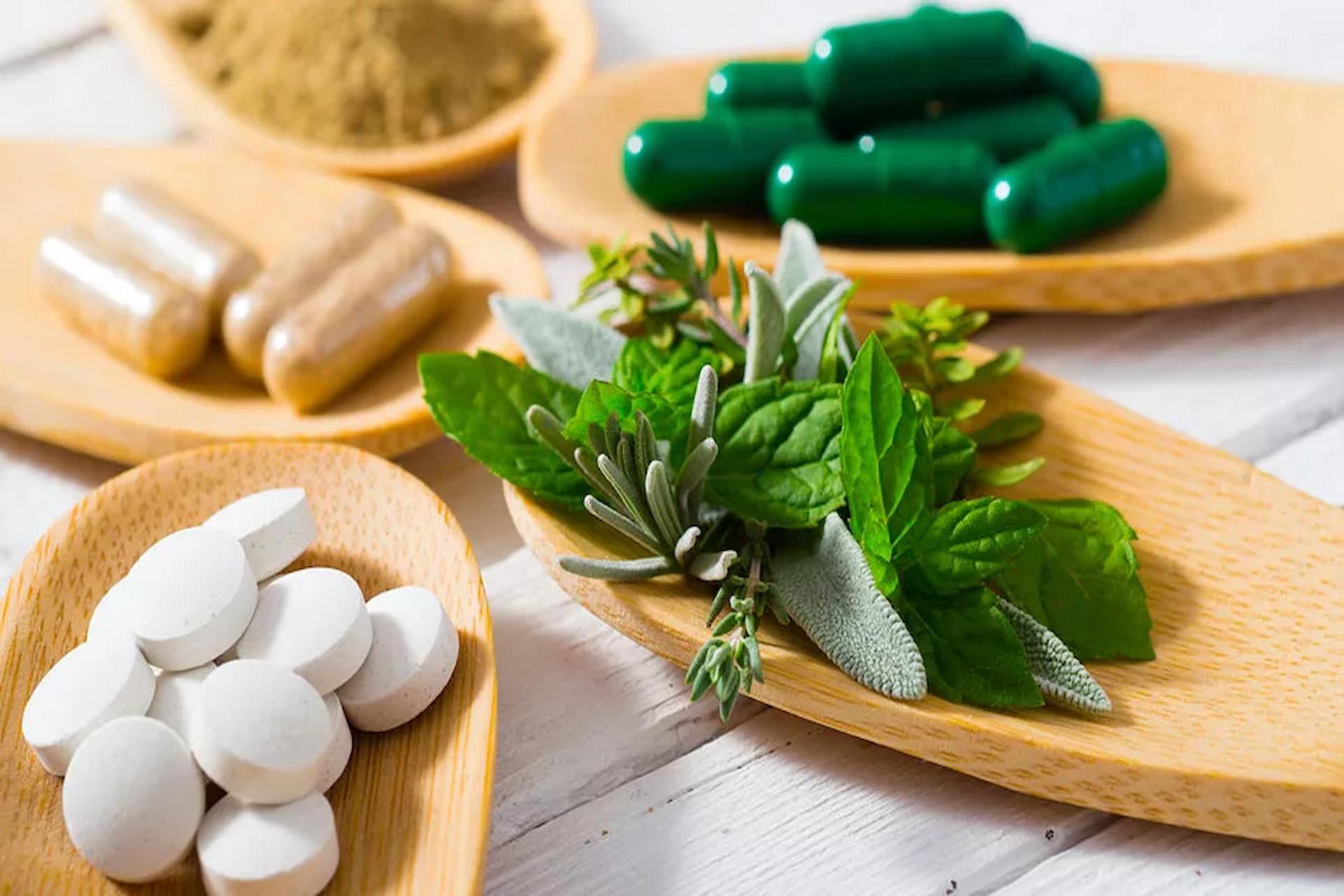
Interest in herbal supplements has grown significantly as more people look for ways to support their wellbeing alongside a healthy lifestyle. From traditional herbal remedies that have been used for centuries to modern wellness supplements available in pharmacies and health stores, there is a wide range of products to choose from.
While many herbs have a long history of traditional use, it is important to understand that natural does not always mean risk-free. Learning about their benefits, limitations, and safe use can help you make informed decisions.
What Are Herbal Supplements?
Herbal supplements are products made from plants or parts of plants, including leaves, roots, flowers, seeds, bark, and stems. They are available in various forms, such as:
- Capsules
- Tablets
- Powders
- Teas
- Liquid extracts
- Tinctures
People often use herbal supplements to complement a balanced diet and healthy lifestyle. Unlike medicines, these products are generally intended to support overall wellbeing rather than diagnose, treat, cure, or prevent diseases.
Herbal Supplements vs Vitamins
Although both fall under the category of dietary supplements, herbal supplements and vitamins are not the same.
Vitamins and minerals are essential nutrients that the body requires for normal functioning. For example, Vitamin D supports bone health, while Vitamin C contributes to immune function.
Herbal supplements, on the other hand, are derived from plants and contain naturally occurring compounds that may support different aspects of health. They do not replace essential nutrients and should not be viewed as substitutes for a nutritious diet.
Understanding this distinction helps consumers choose products that match their individual needs.
Popular Herbal Supplements
Many herbal health products have become widely recognised for their traditional uses. Here are some of the most common examples.
Ashwagandha
Ashwagandha is an ancient herb commonly used in traditional Ayurvedic practices. It is often chosen by people seeking support for stress management and general wellbeing. While some research has shown promising results, more large-scale studies are needed to confirm its effectiveness.
Turmeric
Turmeric contains curcumin, a naturally occurring compound that has attracted scientific interest because of its antioxidant and anti-inflammatory properties. Many people include turmeric as part of a balanced lifestyle, although curcumin can be difficult for the body to absorb without suitable formulations.
Ginger
Ginger has been used for generations in cooking and traditional herbal remedies. It is commonly associated with digestive comfort and may help some people manage occasional nausea.
Ginseng
Ginseng is frequently marketed as a wellness supplement for supporting energy levels and mental performance. Research findings remain mixed, with benefits varying between different types of ginseng and individual users.
Garlic
Garlic is well known as both a food ingredient and a natural supplement. Some studies suggest it may contribute to heart health as part of an overall healthy lifestyle, but it should not replace medical advice or prescribed treatments.
Milk Thistle
Milk thistle has traditionally been linked with liver health. Although it remains popular, scientific evidence is still limited regarding its effectiveness for many liver-related conditions.
Echinacea
Echinacea is commonly taken during cold and flu seasons. Research has produced varying results, with some studies suggesting modest benefits while others show little effect.
Chamomile
Chamomile is widely enjoyed as a herbal tea and is often used to promote relaxation before bedtime. While many people find it soothing, scientific evidence for its effectiveness remains limited.
Why Do People Take Herbal Supplements?
People choose natural supplements for many different reasons, including:
- Supporting general wellbeing
- Promoting relaxation
- Supporting digestive health
- Complementing a balanced diet
- Maintaining an active lifestyle
- Supporting healthy ageing
Individual experiences vary, and not every supplement works in the same way for everyone.
What Does the Scientific Evidence Say?
Scientific research into herbal supplements continues to grow, but evidence differs considerably between herbs.
Some herbal products have shown encouraging results in small clinical studies. Others rely mainly on traditional use rather than strong scientific evidence.
Researchers often highlight challenges such as:
- Small study sizes
- Differences in supplement quality
- Varying dosages
- Limited long-term research
Because of these factors, it is important to approach health claims with caution and rely on trustworthy sources of information.
Possible Side Effects
Although many herbal remedies are generally well tolerated when used appropriately, side effects can still occur.
Possible reactions may include:
- Digestive discomfort
- Allergic reactions
- Headaches
- Dizziness
- Skin irritation
The likelihood of side effects depends on the specific herb, dosage, duration of use, and individual health conditions.
Potential Drug Interactions
One of the most important aspects of supplement safety is understanding possible interactions with medicines.
Some herbal supplements may affect how prescription or over-the-counter medicines work. For example, certain herbs can influence blood clotting, blood pressure, blood sugar levels, or how medicines are processed by the liver.
Anyone taking regular medication should consult a qualified healthcare professional before introducing herbal supplements into their routine.
Who Should Avoid Certain Herbal Supplements?
Some people should be particularly cautious when considering wellness supplements, including:
- Pregnant or breastfeeding women
- Young children
- Older adults taking multiple medications
- People with chronic medical conditions
- Individuals preparing for surgery
- Anyone with known plant allergies
Professional medical advice is especially important in these situations.
Tips for Buying High-Quality Herbal Products
Not all herbal health products are manufactured to the same standards. When shopping for supplements, consider the following:
- Buy from reputable manufacturers.
- Check for clear ingredient lists.
- Follow recommended serving sizes.
- Look for third-party quality testing where available.
- Avoid products making unrealistic health claims.
- Check expiry dates before purchasing.
Quality assurance helps improve confidence in the product you choose.
Safe Storage and Proper Usage
Proper storage helps maintain product quality.
Follow these simple guidelines:
- Store supplements in a cool, dry place.
- Keep containers tightly sealed.
- Protect products from direct sunlight.
- Keep supplements out of reach of children.
- Follow the storage instructions provided on the label.
- Never exceed the recommended dosage unless advised by a healthcare professional.
Using supplements responsibly is an important part of maintaining supplement safety.
Conclusion
Herbal supplements continue to play an important role in many people’s wellness routines. From Ashwagandha and turmeric to ginger and chamomile, these plant-based products have a long history of traditional use and remain popular today.
However, natural supplements should be viewed as one part of a broader healthy lifestyle rather than a replacement for balanced nutrition, regular physical activity, quality sleep, and professional healthcare. By understanding the available evidence, recognising potential risks, and choosing reputable products, consumers can make informed decisions that support their overall wellbeing.
Frequently Asked Questions
Are herbal supplements safe for everyone?
No. Some individuals, including pregnant women, children, and people taking medications, should seek professional advice before using herbal supplements.
Can herbal supplements replace prescription medicines?
No. Herbal supplements are not intended to replace prescribed treatments or medical advice.
How long does it take for herbal supplements to work?
The time varies depending on the product, individual circumstances, and the intended purpose. Some people notice changes within weeks, while others may not experience noticeable effects.
Are all natural supplements scientifically proven?
Not necessarily. Some herbs have stronger scientific evidence than others, while many require further research to confirm their effectiveness.
How can I choose reliable herbal supplements?
Purchase from reputable brands, read ingredient labels carefully, follow dosage recommendations, and look for products that undergo independent quality testing where available.