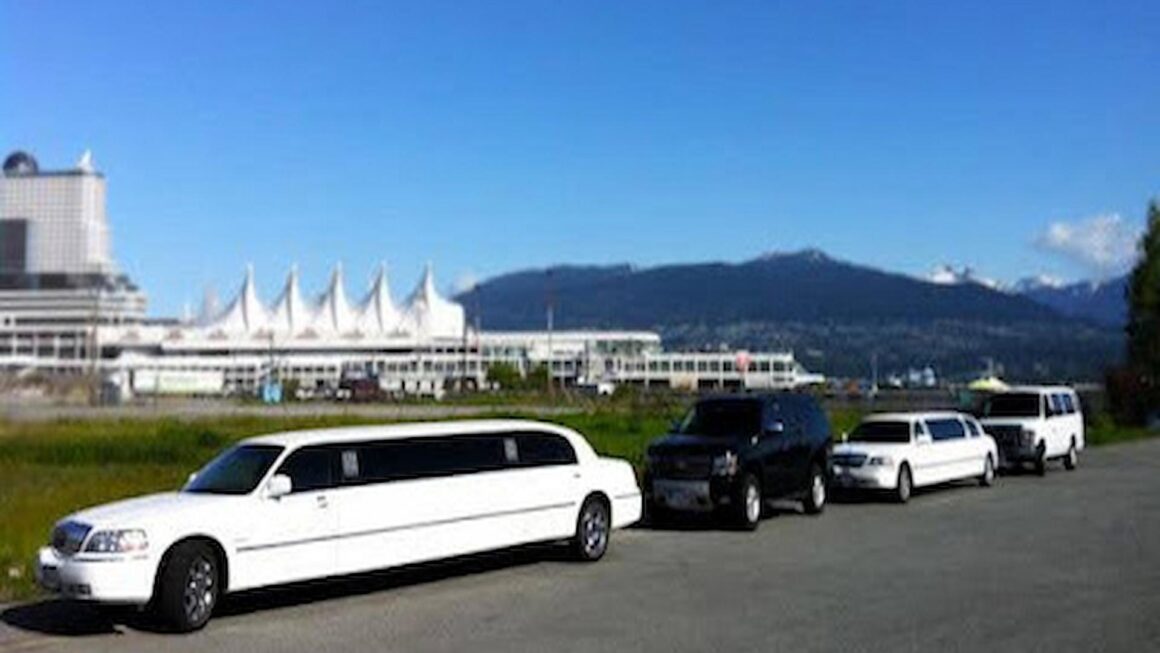
The vehicle arrives early. The engine remains off. Timing matters more than speed because the journey has already begun before the passenger enters the car. Chauffeur work operates under different expectations compared with standard passenger transport. Movements are planned around client schedules, event timings, and locations where traffic conditions change quickly without warning. Preparation becomes part of the service itself, as positioning, timing, and route awareness influence how smoothly the journey begins.
High-value transfers introduce pressures that are not always visible from outside the vehicle. Pickups may occur at busy venues, hotels, or private events where access points are crowded and security arrangements vary. Drivers must manage positioning, pedestrian movement, and tight stopping areas while maintaining a professional experience. These environments increase exposure to low-speed incidents, particularly when multiple vehicles arrive simultaneously and space is limited for safe manoeuvring.
Event-based work adds unpredictability. Departure times shift, routes change at short notice, and traffic congestion can build rapidly as large groups leave venues together. Drivers may feel pressure to recover time lost during delays, even when schedules are controlled by factors outside their influence. Managing this pressure becomes part of risk control, as rushed decisions or last-minute route changes increase the likelihood of minor incidents that can carry significant repair costs.
Client expectations also influence decision-making. Passengers often prioritise comfort and smooth travel over speed, yet drivers must balance this with external conditions. Sudden braking or aggressive manoeuvres may prevent collisions but can affect passenger experience. Chauffeurs therefore operate within narrower margins, aiming to maintain safety while delivering consistent service quality. Maintaining this balance requires anticipation rather than reaction, particularly in unfamiliar or high-traffic environments.
Vehicle condition plays a significant role in this environment. Chauffeur vehicles are typically higher value and maintained to a higher presentation standard, which increases repair costs even for minor damage. Cosmetic issues that might be acceptable in other passenger services often require immediate attention in chauffeur operations. This increases the financial impact of small incidents and contributes to overall operational exposure, especially where vehicles are used regularly for executive or corporate transport.
Insurance arrangements for chauffeur work take these conditions into account. Chauffeur insurance is structured around the risks of transporting clients in premium vehicles, where journeys frequently involve scheduled transfers, high-density locations, and elevated expectations regarding safety and reliability. Risk assessment therefore considers operating environments and usage patterns rather than focusing solely on distance travelled.
Another consideration is passenger liability outside the vehicle itself. Clients entering or exiting the car in busy or unfamiliar locations may face hazards such as uneven surfaces or passing traffic. Drivers remain responsible for ensuring safe pickup and drop-off conditions, which requires awareness beyond driving alone. Incidents occurring during these moments can still result in claims even without vehicle movement, particularly where passenger injury is involved.
Communication becomes an important risk management tool. Confirming pickup points, monitoring event timings, and adjusting routes early reduce last-minute decisions that increase stress. Experienced chauffeurs rely heavily on preparation, allowing journeys to remain controlled even when external conditions change. Advance planning also reduces unnecessary vehicle movement in congested areas, lowering exposure to avoidable incidents.
Managing risk during high-value transfers is less about avoiding dramatic incidents and more about maintaining consistency under changing conditions. Small decisions made throughout the journey influence safety outcomes, particularly when expectations are high and environments are unpredictable. Chauffeur insurance supports this specialised form of passenger transport by recognising that professionalism, vehicle presentation, and risk management operate together throughout every stage of the service.