Introduction
A bathroom tile upgrade is one of the most effective ways to refresh a home. New tiles can completely change the appearance of a bathroom, making it feel cleaner, brighter, and more modern. Beyond appearance, quality tiles also improve durability, protect surfaces from moisture, and can increase property value. Whether you are updating a small family bathroom or planning a full renovation, choosing the right tiles is a decision that deserves careful thought.
Many homeowners start a tile project with excitement but quickly become overwhelmed by the number of options available. Tile materials, colours, patterns, grout choices, and installation methods can all affect the final result. Taking the time to plan properly helps avoid costly mistakes and ensures your investment delivers lasting value.
The best bathroom tile upgrades combine style with practicality. A beautiful design means little if the tiles cannot withstand daily exposure to water, humidity, and heavy use. Understanding the basics before making any purchases can help you create a bathroom that looks great and performs well for many years.
Choosing the Right Tile Material
The first major decision is selecting the tile material. Each option has its own strengths and ideal uses.
Ceramic tiles remain one of the most popular choices for bathrooms. They are affordable, easy to maintain, and available in countless colours and designs. For many homeowners, ceramic offers an excellent balance between appearance and cost.
Porcelain tiles are denser and more water-resistant than ceramic. They are highly durable and suitable for floors, walls, and shower areas. Although they typically cost more, their long lifespan often makes them a worthwhile investment.
Natural stone tiles such as marble, slate, and travertine provide a premium look that many homeowners love. However, they require more maintenance and often need regular sealing to prevent moisture damage.
Glass tiles are commonly used as decorative features or splashbacks. Their reflective surface can make smaller bathrooms appear larger and brighter.
Planning Your Bathroom Tile Layout
Before purchasing tiles, it is important to think about layout and design. Tile size can significantly influence the overall appearance of a room.
Large-format tiles create a clean, modern look and reduce the number of grout lines. This can make a small bathroom feel more spacious. Smaller tiles, including mosaics, work well in shower floors and decorative areas where additional grip or detail is desired.
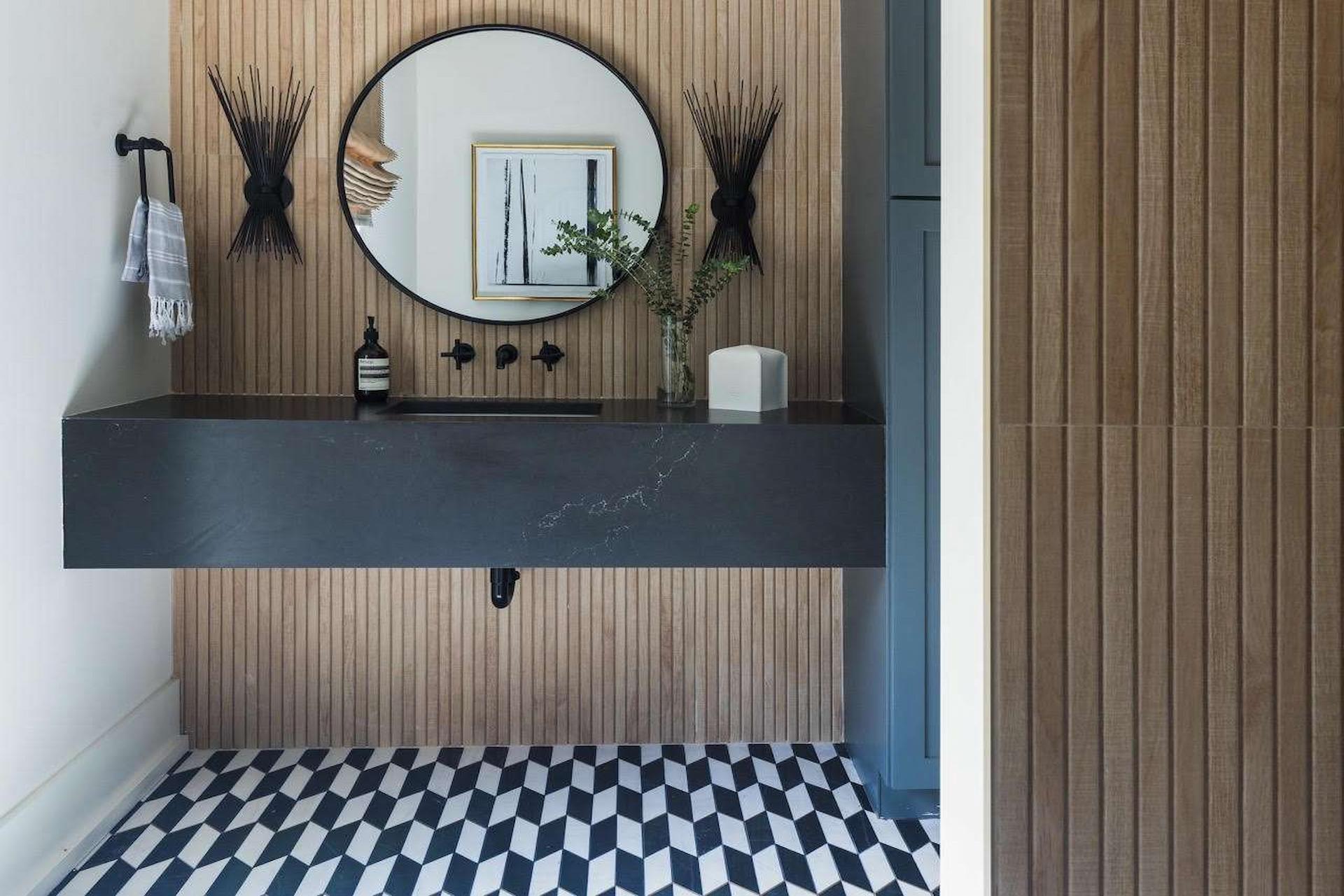
The pattern you choose can also affect visual impact. Straight layouts provide a timeless appearance, while herringbone, brick, and diagonal patterns add character and movement.
It is worth creating a simple sketch or using online design tools before making final decisions. Seeing the layout beforehand often helps prevent design regrets later.
Calculating How Much Tile You Need
Accurate measurements are essential for budgeting and ordering materials.
Start by measuring the length and width of each area you plan to tile. Multiply these figures to calculate the square metre coverage required. Once you have your total, add an extra 10 to 15 percent to account for cuts, waste, and future repairs.
Ordering all tiles at the same time is usually recommended. Different production batches can vary slightly in colour and texture, which may become noticeable after installation.
Understanding Grout and Waterproofing
Tiles alone do not provide complete protection against moisture. Grout and waterproofing play equally important roles.
Grout fills the gaps between tiles and helps prevent water penetration. Modern grout products are available in many colours, allowing homeowners to either match or contrast with their chosen tiles.
Epoxy grout offers superior water resistance and stain protection, making it particularly suitable for showers and wet areas. Traditional cement-based grout remains popular because it is more affordable and easier to install.
Waterproofing is one area where shortcuts should never be taken. Proper waterproof membranes beneath the tiles help protect walls and floors from hidden water damage. A well-installed waterproofing system can save thousands of pounds in future repairs.
DIY or Professional Installation?
Many homeowners wonder whether they should install bathroom tiles themselves or hire a professional.
DIY installation can save money and provide a sense of achievement. Small projects such as splashbacks or simple wall tiling may be manageable for experienced DIY enthusiasts.
However, bathroom tiling requires precision. Uneven surfaces, poor waterproofing, or incorrect tile placement can lead to expensive problems later. Professional installers bring specialised tools, technical knowledge, and experience that often result in a higher-quality finish.
For complex layouts, large-format tiles, or complete bathroom renovations, professional installation is usually the safer choice.
Common Tile Upgrade Mistakes to Avoid
Several common mistakes can turn a promising renovation into a frustrating experience. Choosing tiles based only on appearance is one of the biggest errors. Bathroom tiles must be suitable for wet conditions and daily use.
Poor surface preparation can also cause problems. Tiles need a stable, clean, and properly prepared base to ensure long-term performance.
Many homeowners underestimate the importance of lighting. A tile colour that looks perfect in a showroom may appear completely different in your bathroom.
Rushing material selection is another common issue. Taking samples home and viewing them under actual bathroom lighting can help avoid disappointment.
Questions to Ask a Tile Contractor
If you hire a contractor, asking the right questions can help ensure a successful project. Ask how long they have been installing bathroom tiles and whether they can provide examples of previous work. Confirm that waterproofing is included in their process and request a detailed written quote.
It is also wise to discuss project timelines, warranties, and what happens if unexpected issues are discovered during installation.
Frequently Asked Questions
What is the best tile material for bathrooms?
Porcelain is often considered the best option because it is durable, highly water-resistant, and suitable for both walls and floors.
How long do bathroom tiles typically last?
Quality bathroom tiles can last 20 years or more when installed correctly and maintained properly.
Can bathroom tiles be installed over existing tiles?
In some cases, yes. The existing surface must be solid, level, and free from damage for successful installation.
Is waterproofing necessary behind bathroom tiles?
Yes. Waterproofing helps prevent moisture damage and protects the structure beneath the tiled surface.
How much extra tile should I buy?
Most professionals recommend purchasing 10 to 15 percent more than your measured requirement to cover cuts and future repairs.
Conclusion
A bathroom tile upgrade is more than a cosmetic improvement. The right tiles can improve durability, simplify maintenance, increase property value, and create a space that feels fresh and inviting every day. Success comes from careful planning, realistic budgeting, and choosing materials suited to bathroom conditions. By understanding tile types, layout options, waterproofing requirements, and installation considerations, homeowners can approach their renovation with confidence. Whether you tackle the project yourself or work with a professional installer, investing time in the planning stage will help create a bathroom that looks beautiful and stands the test of time.