Managing household energy costs has become a growing concern for many homeowners. Rising utility prices, seasonal demand changes, and inefficient fuel usage can quickly increase monthly expenses. The good news is that careful planning and reliable energy services can make a noticeable difference to both comfort and long-term household budgets. By understanding how energy usage works throughout the year, homeowners can make smarter decisions that improve efficiency without sacrificing convenience.
Modern homes rely heavily on heating systems, hot water, cooking appliances, and electricity to maintain a comfortable living environment. Choosing dependable energy services and creating a practical fuel plan can help households reduce waste, improve efficiency, and avoid unnecessary costs during periods of high demand. Small adjustments in planning and energy management often lead to meaningful savings over time.
Why Energy Planning Matters More Than Ever
Energy planning is no longer something only businesses need to consider. Homeowners now face changing fuel prices, increasing energy consumption, and unpredictable weather patterns that affect heating and cooling demands throughout the year.
Without a proper plan, households often use more fuel than necessary. Older systems, poor insulation, and inconsistent maintenance can all contribute to wasted energy. Even small inefficiencies can add up significantly over several months.
Planning ahead allows homeowners to:
- Track seasonal energy usage
- Avoid emergency fuel shortages
- Reduce heating and cooling costs
- Improve overall household efficiency
- Extend the lifespan of home systems
According to several UK energy reports, heating alone can account for more than half of a household’s total energy consumption during colder months. That makes fuel management and system efficiency especially important.
Understanding Household Fuel Usage
Every home uses energy differently depending on its size, location, insulation quality, and heating systems. Some households rely on oil or propane heating, while others use electricity or gas-based systems.
Understanding where most energy is consumed is the first step towards better planning. Common high-usage areas include:
Heating and Cooling Systems
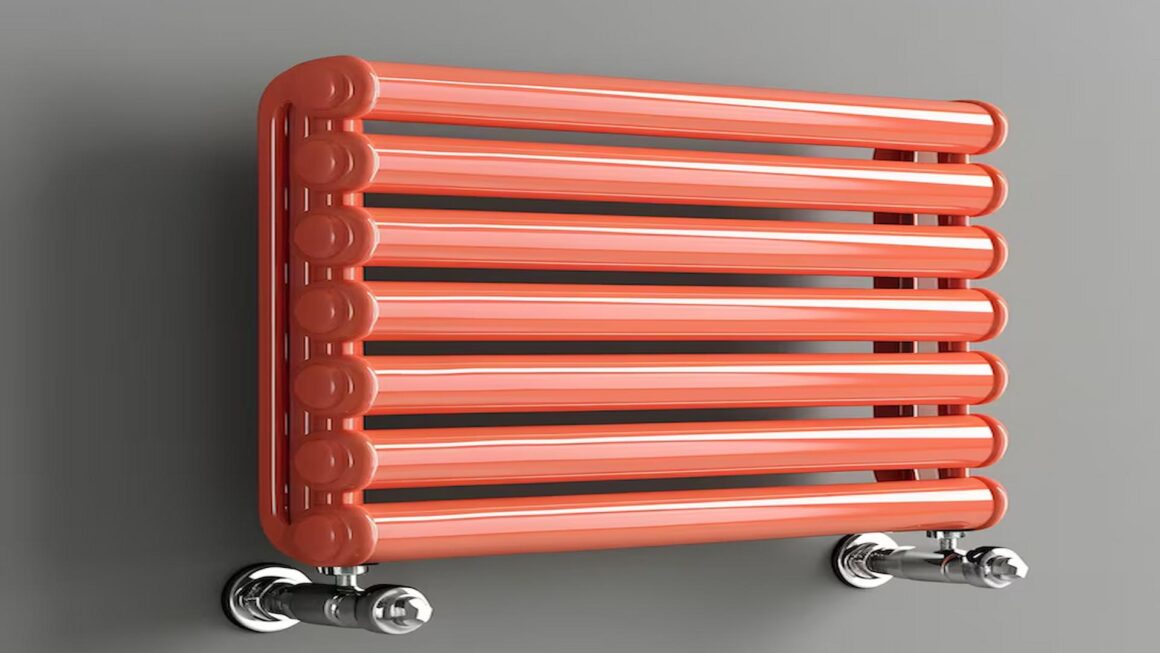
Heating systems often consume the largest share of household energy. Older boilers, furnaces, or heat pumps may work harder than necessary if they are poorly maintained or outdated.
Air conditioning systems can also increase energy usage during warmer months, especially in homes with poor airflow or inadequate insulation.
Hot Water Usage
Water heating is another major contributor to household fuel costs. Long showers, inefficient water heaters, and leaking pipes can increase unnecessary consumption.
Kitchen Appliances
Cooking appliances, refrigerators, and dishwashers contribute to daily energy use. Modern energy-efficient models generally consume far less electricity than older appliances.
Smart Ways to Reduce Energy Costs at Home
Lowering household energy costs does not always require major renovations. In many cases, small practical changes can produce measurable savings.
Improve Home Insulation
A well-insulated home retains heat more effectively during winter and stays cooler during summer. Proper insulation reduces the workload placed on heating and cooling systems.
Areas worth checking include:
- Loft and attic insulation
- Windows and doors
- Wall insulation
- Floor gaps and draughts
Even sealing small air leaks can improve efficiency significantly.
Schedule Regular Maintenance
Routine maintenance keeps heating systems operating efficiently. Dirty filters, worn parts, and blocked vents force systems to consume more energy than necessary.
Professional inspections can identify problems early before they become costly repairs. Regular servicing also improves safety and reliability.
Use Smart Thermostats
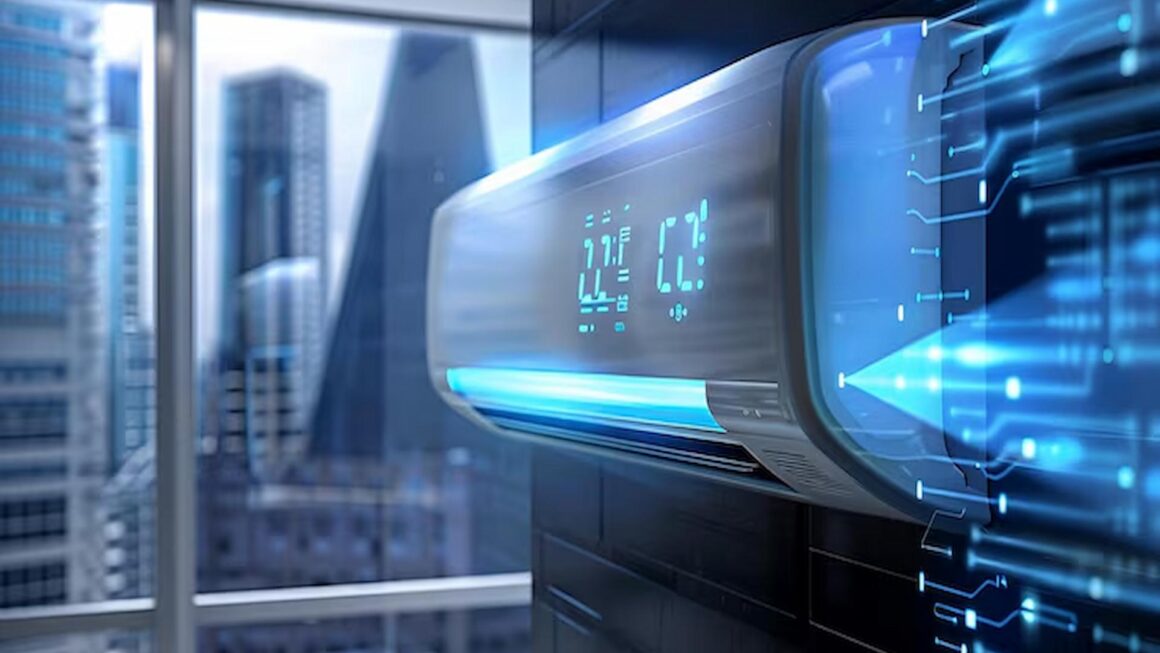
Smart thermostats help households manage temperatures more efficiently throughout the day. These systems allow users to adjust heating schedules automatically based on occupancy and weather conditions.
Studies have shown that programmable thermostats can reduce heating costs by helping homeowners avoid unnecessary energy use during inactive hours.
The Importance of Reliable Fuel Supply
Fuel planning becomes particularly important during colder seasons when demand rises sharply. Running low on heating fuel during winter can create serious discomfort and expensive emergency deliveries.
A reliable fuel supply strategy helps households:
- Avoid sudden price spikes
- Prevent emergency shortages
- Maintain consistent home comfort
- Manage monthly budgeting more effectively
Many homeowners now prefer scheduled fuel delivery services because they provide greater predictability and convenience. Planning ahead also reduces stress during periods of extreme weather.
Seasonal Fuel Planning Tips
Different seasons bring different energy demands. Adjusting fuel planning strategies throughout the year helps homeowners stay prepared and avoid unnecessary spending.
Winter Preparation
Winter is usually the most energy-intensive season. Heating systems operate for longer periods, increasing fuel consumption substantially.
Before winter begins, homeowners should:
- Inspect heating systems
- Refill fuel supplies early
- Check insulation performance
- Test thermostats and controls
- Replace air filters if needed
Early preparation often helps households avoid higher seasonal fuel prices.
Summer Efficiency
Although heating costs decline during summer, cooling expenses can increase. Efficient airflow and proper ventilation become more important during warmer months.
Simple summer energy-saving measures include:
- Using ceiling fans
- Keeping blinds closed during peak sunlight
- Servicing air conditioning systems
- Reducing unnecessary appliance usage
Balancing energy consumption throughout the year helps maintain stable utility costs.
How Technology Is Improving Home Energy Management
Technology is playing a growing role in helping homeowners manage energy more effectively. Smart home systems now provide detailed information about energy usage patterns, allowing households to make better decisions.
Modern systems can:
- Monitor real-time energy usage
- Detect inefficient appliances
- Adjust heating automatically
- Provide maintenance reminders
- Help track fuel consumption
These tools make it easier for homeowners to identify waste and improve overall efficiency without constantly monitoring systems manually.
Energy-efficient appliances have also improved significantly in recent years. Many newer systems are designed to use less fuel while delivering stronger performance and better temperature control.
Long-Term Benefits of Better Energy Planning
Improving household energy management provides benefits beyond lower monthly bills. Efficient homes often experience better comfort, more stable indoor temperatures, and fewer equipment breakdowns.
Long-term advantages include:
- Reduced annual energy expenses
- Lower environmental impact
- Improved property value
- Better indoor comfort
- Increased equipment lifespan
As energy costs continue changing, homeowners who plan carefully are generally better positioned to manage expenses more effectively.
Conclusion
Better energy management starts with understanding how fuel is used throughout the home and making practical decisions that improve efficiency. From regular system maintenance and improved insulation to smarter fuel planning and modern technology, small changes can lead to meaningful savings over time. Reliable energy services, efficient heating systems, and thoughtful seasonal preparation all contribute to a more comfortable and cost-effective household.
Homeowners do not need to completely overhaul their homes to see results. Consistent planning, responsible energy use, and proactive maintenance can significantly reduce waste while improving daily comfort. As fuel costs and energy demands continue to evolve, households that invest in smarter planning today are more likely to enjoy long-term financial and practical benefits in the future.