Your home doesn’t need a complete makeover to feel fresh, more functional, or more valuable. Many of the most effective improvements are surprisingly affordable and can be completed over a weekend with basic tools and a little planning.
Whether you’re preparing to sell your home or simply want to enjoy your living space more, smart DIY home improvement projects can improve comfort, boost curb appeal, and increase long-term property value without the cost of a full renovation.
This guide covers practical projects that deliver lasting results, along with planning tips, budgeting advice, and answers to common homeowner questions.
Why Small Home Improvements Make a Big Difference
Large renovations often come with high costs, lengthy timelines, and unexpected challenges. Smaller upgrades, on the other hand, offer several advantages:
- Lower overall costs
- Faster completion times
- Minimal disruption to daily life
- Easy maintenance
- Better return on investment
- Improved comfort and functionality
Many buyers also appreciate homes that have been well maintained. Clean finishes, updated fixtures, and thoughtful storage solutions often create a stronger first impression than expensive but poorly maintained renovations.
Plan Before You Start
Every successful DIY project begins with a simple plan.
Ask yourself:
- What problem am I trying to solve?
- What is my budget?
- Do I already own the necessary tools?
- Can I complete the project safely?
- Will this improvement still look good in five years?
Making a list before buying materials helps avoid unnecessary spending and keeps projects on schedule.
Refresh Walls with a New Coat of Paint
Painting remains one of the highest-value home improvements available.
Fresh paint instantly brightens rooms, hides minor imperfections, and gives your home a cleaner appearance.
Best places to repaint
- Living rooms
- Bedrooms
- Hallways
- Kitchens
- Bathrooms
- Front doors
Neutral colours such as warm white, soft grey, beige, and light greige appeal to most homeowners and potential buyers.
Before painting:
- Fill nail holes
- Repair small cracks
- Sand rough spots
- Clean dirty walls
- Apply primer when needed
Proper preparation creates a smoother, longer-lasting finish.
Replace Old Cabinet Hardware
Kitchen and bathroom cabinets often look outdated simply because of worn handles and knobs.
Replacing hardware is inexpensive and usually takes only a few hours.
Popular finishes include:
- Matte black
- Brushed nickel
- Satin brass
- Stainless steel
If changing hardware styles, make sure the new pieces cover any existing screw holes.
Upgrade Interior Lighting
Lighting changes how every room feels.
Replacing outdated light fixtures can make spaces appear larger, brighter, and more modern.
Easy lighting upgrades include:
- LED ceiling fixtures
- Pendant lights
- Under-cabinet lighting
- Bathroom vanity lights
- Dining room chandeliers
Also consider replacing older light switches with dimmer switches where appropriate.
LED bulbs reduce energy use while lasting much longer than traditional bulbs.
Install Floating Shelves
Floating shelves improve both storage and style.
They work well in:
- Living rooms
- Bathrooms
- Home offices
- Kitchens
- Laundry rooms
Use shelves to display books, plants, framed photos, or decorative baskets.
Always anchor shelves securely into wall studs or use appropriate wall anchors for the weight they’ll support.
Improve Closet and Storage Space
Storage remains one of the most desirable features in any home.
Fortunately, improving storage doesn’t require major construction.
Simple ideas include:
- Adjustable closet shelving
- Drawer organizers
- Wall hooks
- Garage storage racks
- Pegboards for tools
- Under-bed storage bins
- Pantry organizers
Organized storage makes rooms feel larger while improving everyday convenience.
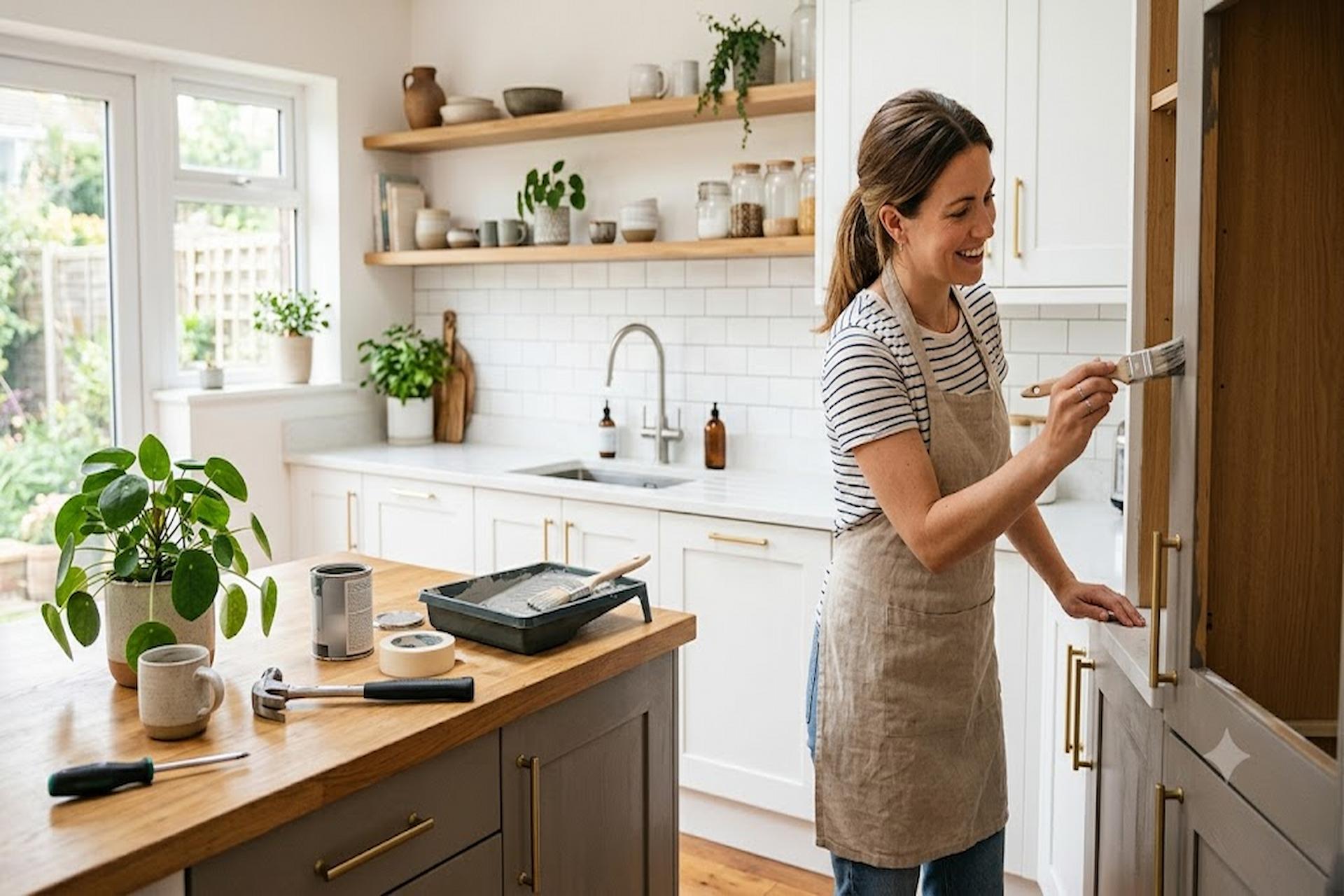
Give Your Kitchen an Affordable Refresh
A complete kitchen remodel can be expensive, but several DIY upgrades deliver a fresh look for much less.
Consider:
- Painting cabinets
- Replacing cabinet handles
- Installing a peel-and-stick backsplash
- Updating the faucet
- Replacing old light fixtures
- Adding open shelving
- Organizing cabinets
Even replacing outdated outlet covers and switch plates can modernize the space.
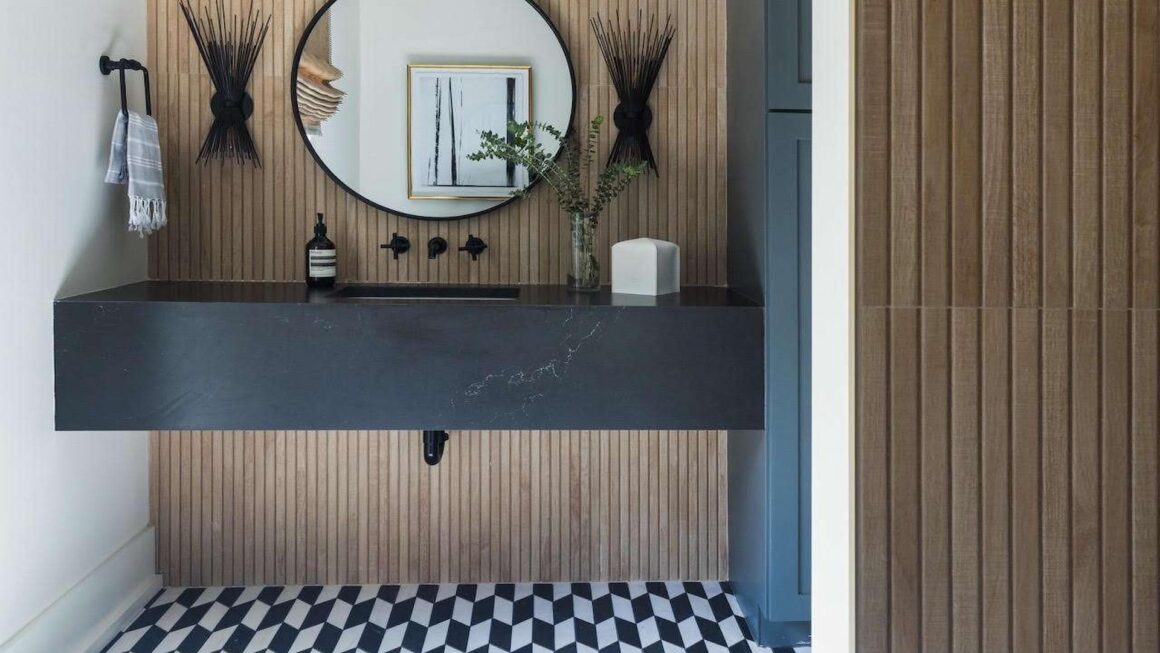
Modernize Your Bathroom
Bathrooms are another area where small improvements create noticeable results.
Budget-friendly projects include:
- Installing a new mirror
- Replacing faucets
- Updating towel bars
- Installing a new showerhead
- Re-caulking around tubs and sinks
- Replacing worn toilet seats
- Adding better lighting
Fresh caulk alone can make an older bathroom appear significantly cleaner.
Update Doors and Trim
Interior doors experience years of daily use.
Simple improvements include:
- Painting doors
- Replacing worn hinges
- Installing modern door handles
- Repairing dents
- Repainting trim
- Re-caulking gaps
These details often go unnoticed until they’re damaged. Restoring them improves the overall appearance of the home.
Improve Curb Appeal
The exterior creates the first impression.
Many outdoor projects can be completed in a weekend.
Ideas include:
- Paint the front door
- Install new house numbers
- Replace the mailbox
- Add outdoor lighting
- Pressure wash walkways
- Trim shrubs
- Plant seasonal flowers
- Refresh mulch
- Repair fences
- Clean gutters
These inexpensive improvements make your property feel well cared for.
Upgrade Flooring Without Replacing It
New flooring isn’t always necessary.
Sometimes existing floors simply need attention.
You can:
- Refinish hardwood floors
- Repair scratched boards
- Replace damaged vinyl planks
- Deep clean grout
- Repair cracked tiles
- Install peel-and-stick flooring in utility spaces
Well-maintained flooring contributes significantly to a home’s overall appearance.
Replace Old Fixtures
Small fixtures gradually become dated.
Updating them creates a more cohesive look throughout the home.
Replace:
- Door handles
- Cabinet pulls
- Bathroom faucets
- Kitchen faucets
- Light switch covers
- Electrical outlet covers
- Curtain rods
Choose finishes that complement each other for a consistent design.
Add Smart Home Features
Smart home upgrades are becoming increasingly popular.
Affordable options include:
- Smart thermostats
- Smart light bulbs
- Video doorbells
- Smart plugs
- Motion sensor lighting
- Smart smoke detectors
These improvements add convenience while helping reduce energy consumption.
Refresh Outdoor Living Spaces
Outdoor areas add usable living space without expanding the house.
Simple DIY improvements include:
- Cleaning patios
- Staining decks
- Building planter boxes
- Installing solar pathway lights
- Creating a seating area
- Hanging string lights
- Repairing loose deck boards
Outdoor improvements often provide excellent value because they enhance both appearance and functionality.
Focus on Energy Efficiency
Energy-saving upgrades reduce monthly utility bills while making the home more comfortable.
Easy projects include:
- Weatherstripping doors
- Sealing window gaps
- Adding door sweeps
- Installing programmable thermostats
- Replacing incandescent bulbs with LEDs
- Insulating exposed pipes
Small improvements add up over time.
Budgeting for DIY Projects
Creating a realistic budget prevents unfinished projects.
Include:
- Materials
- Paint
- Hardware
- Tools
- Safety equipment
- Extra supplies
- A small contingency for unexpected costs
Buying quality materials often saves money by reducing future repairs.
Safety Should Always Come First
DIY projects should improve your home—not create unnecessary risks.
Always:
- Wear safety glasses
- Use hearing protection when needed
- Read tool instructions
- Turn off electricity before electrical work
- Use ladders properly
- Lift heavy materials safely
- Work in well-ventilated areas
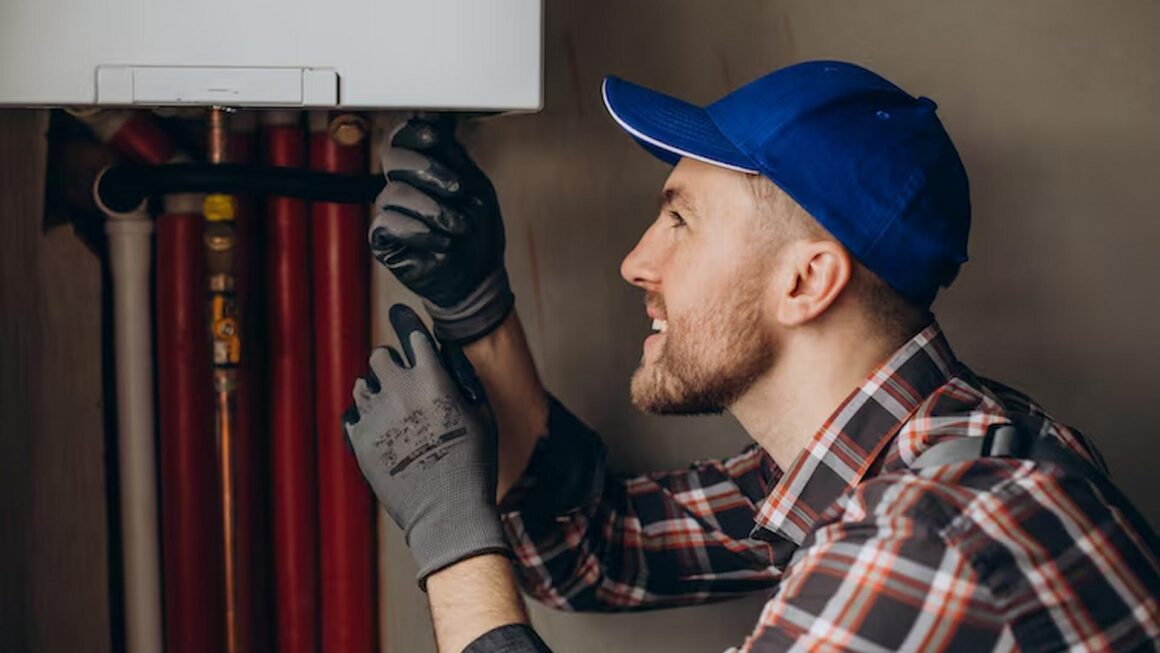
If a project involves structural changes, gas lines, or major electrical work, hiring a qualified professional is usually the safest choice.
Common DIY Mistakes to Avoid
Many home improvement problems come from rushing the work.
Avoid these common mistakes:
- Skipping preparation
- Buying the cheapest materials
- Ignoring measurements
- Overloading shelves
- Painting dirty surfaces
- Forgetting primer
- Using the wrong fasteners
- Starting multiple projects at once
- Underestimating project costs
Taking your time usually produces better results.
Which DIY Projects Add the Most Value?
Projects that consistently provide strong value include:
- Interior painting
- Updated lighting
- Kitchen hardware replacement
- Bathroom fixture upgrades
- Storage improvements
- Landscaping
- Front door improvements
- Energy-efficient upgrades
- Minor flooring repairs
- Fresh trim and moulding
These improvements benefit both everyday living and future resale value.
Frequently Asked Questions (FAQs)
1. What DIY home improvement project adds the most value?
Interior painting is often one of the highest-value DIY projects. It is affordable, improves appearance immediately, and appeals to most buyers.
2. How much should I budget for DIY home improvements?
The budget depends on the project. Many impactful upgrades, such as painting, replacing hardware, or installing shelves, can be completed for a few hundred dollars or less with proper planning.
3. Are DIY projects better than hiring a contractor?
Simple projects like painting, shelving, and replacing fixtures are ideal for DIY. Complex work involving electrical systems, plumbing, structural changes, or roofing is usually best left to licensed professionals.
4. Which rooms should I improve first?
Kitchens, bathrooms, living rooms, and entryways typically offer the greatest return because they receive the most daily use and make strong impressions on visitors and buyers.
Conclusion
Adding value to your home doesn’t require expensive renovations or months of construction. Small, thoughtful DIY improvements can dramatically improve how your home looks, feels, and functions while keeping costs under control.
Focus on projects that solve everyday problems, improve comfort, and stand the test of time. Fresh paint, updated lighting, organized storage, modern fixtures, and well-maintained finishes create a home that feels welcoming and well cared for. By planning carefully, budgeting wisely, and completing each project with attention to detail, you can enjoy meaningful improvements today while increasing your home’s long-term value.