Most people rush through Switzerland, they tick off the Matterhorn, snap a photo by Lake Geneva, and dash to the next train. But what if you stayed a little longer? What if you let the mountains breathe on you, let the fog settle, and finally slow all the way down?
The Art of Arriving Slowly: Letting Switzerland Come to You
Switzerland has a peculiar magic that rewards patience. The moment you stop rushing from peak to peak and simply sit beside a glacial stream, the country reveals itself to you in layers. First comes the sound: cowbells drifting through mountain air, the low hum of a cable car, the soft creak of old timber. Then comes the smell: pine resin, woodsmoke, and something faintly sweet drifting from a bakery around the corner. Slow travel isn’t a philosophy here; it’s practically a local religion.
Furthermore, Switzerland has quietly built itself into one of Europe’s most beloved destinations for travellers who want depth over distance. Instead of hopping between cities, consider anchoring yourself to a single valley for several days. The Lauterbrunnen Valley, for example, is easy to love quickly but impossible to fully know in a hurry. Seventy-two waterfalls thread down its cliffs like silver ribbons, and every morning brings a fresh angle of light across the Jungfrau massif. The slow traveller earns these views. The rushed one simply photographs them.
Villages That Time Wrapped in Wool: The Coziest Corners of the Alps
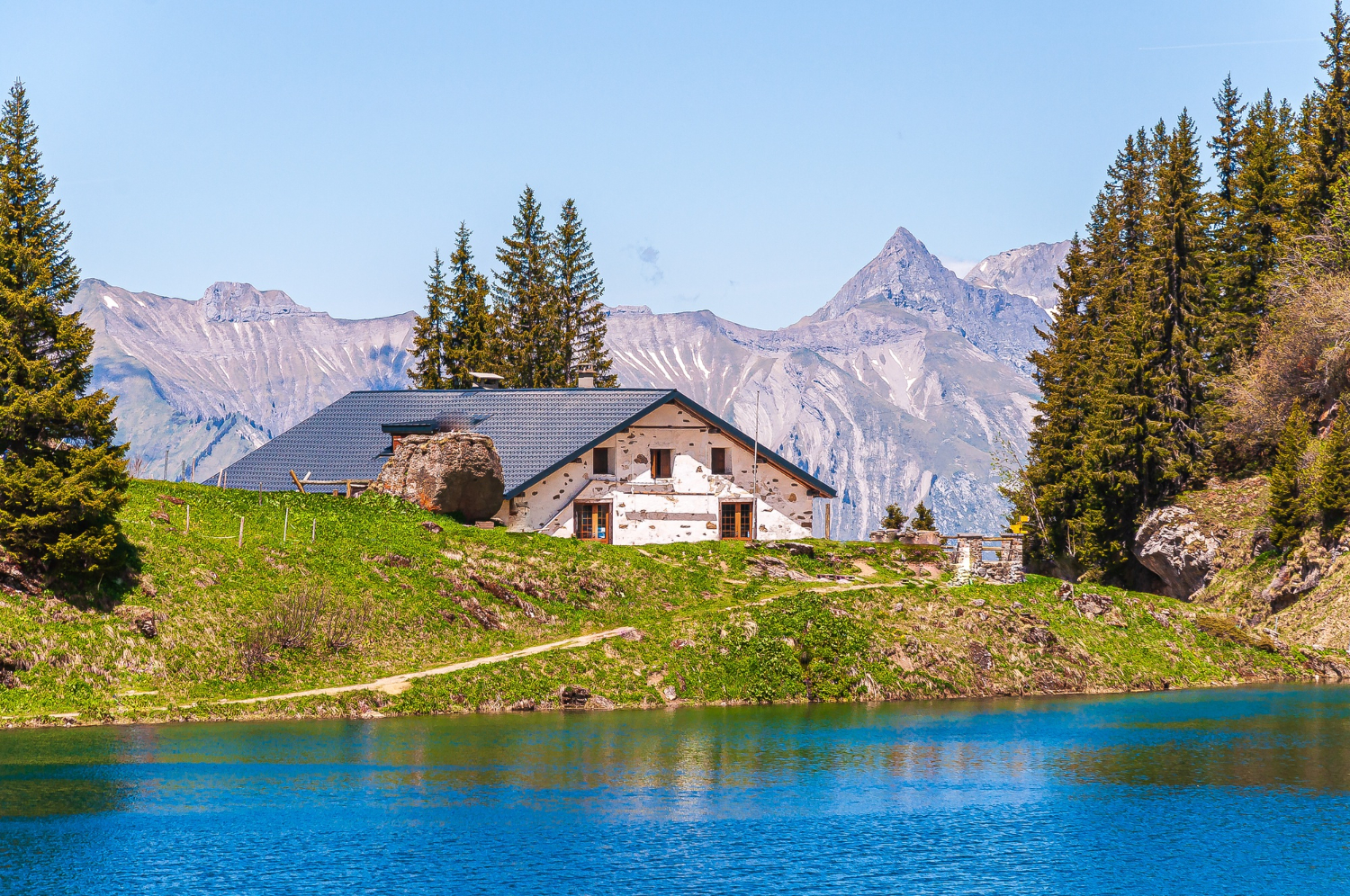
There are Swiss villages so perfectly preserved that stepping into them feels like stepping into a children’s picture book the good kind, where everything is warm, and nothing bad can happen. Grindelwald, Mürren, and Appenzell each offer their own brand of cosiness, but they share a common quality: they make you want to stay. Wooden chalets with flower-box balconies lean gently over cobbled lanes. Smoke curls from chimneys even in May. The cheese shops stay open late because the locals know you’ll wander back.
In addition to these classic favourites, the lesser-known village of Soglio, perched dramatically above the Bregaglia Valley, offers a tucked-away retreat that most tourists never discover. Similarly, Saas-Fee wraps itself around a pedestrian-only car-free centre where the only engines you hear belong to small electric shuttles. These are places built for lingering. You wake up; you drink coffee by an open window; you watch a hawk circle above the treeline, and somehow that becomes enough. That becomes everything. If you’re beginning to plan your own unhurried Swiss adventure, discover the best things to do in Switzerland and start building a journey that matches the pace of your heart, not your calendar.
“Switzerland doesn’t ask you to keep up. It asks you to slow down, look closer, and finally notice what you’ve been missing.”
Fondue, Rösti & Fireside Feasts: Eating Your Way Through Alpine Warmth
Swiss food is honest, hearty, and deeply tied to the landscape. Consequently, eating slowly here isn’t just possible it’s unavoidable. A proper fondue is a commitment. You gather around a pot of molten Gruyère and Emmental, you dip your bread, you refill your wine, you tell a story, and then an hour has somehow slipped past, and nobody has noticed or cared. Raclette follows a similar rhythm — melted cheese scraped over potatoes and pickles, eaten in unhurried rounds while the room fills with warmth and conversation.
Beyond cheese (though we could linger there forever), Switzerland’s Alpine cuisine also offers rösti — golden, crispy potato cakes that appear at breakfast, lunch, and dinner with no apology and Zürcher Geschnetzeltes, a creamy veal dish that proves Zurich can be as comforting as it is cosmopolitan. The mountain restaurants, called Bergrestaurants, are their own category of joy: accessible only by foot or cable car, they serve simple meals with extraordinary views. Moreover, the experience of eating soup at 2,000 metres above sea level while clouds drift past your window is something that cannot be rushed, replicated, or forgotten.
Moving at Mountain Speed: Trains, Trails & the Beautiful Nowhere
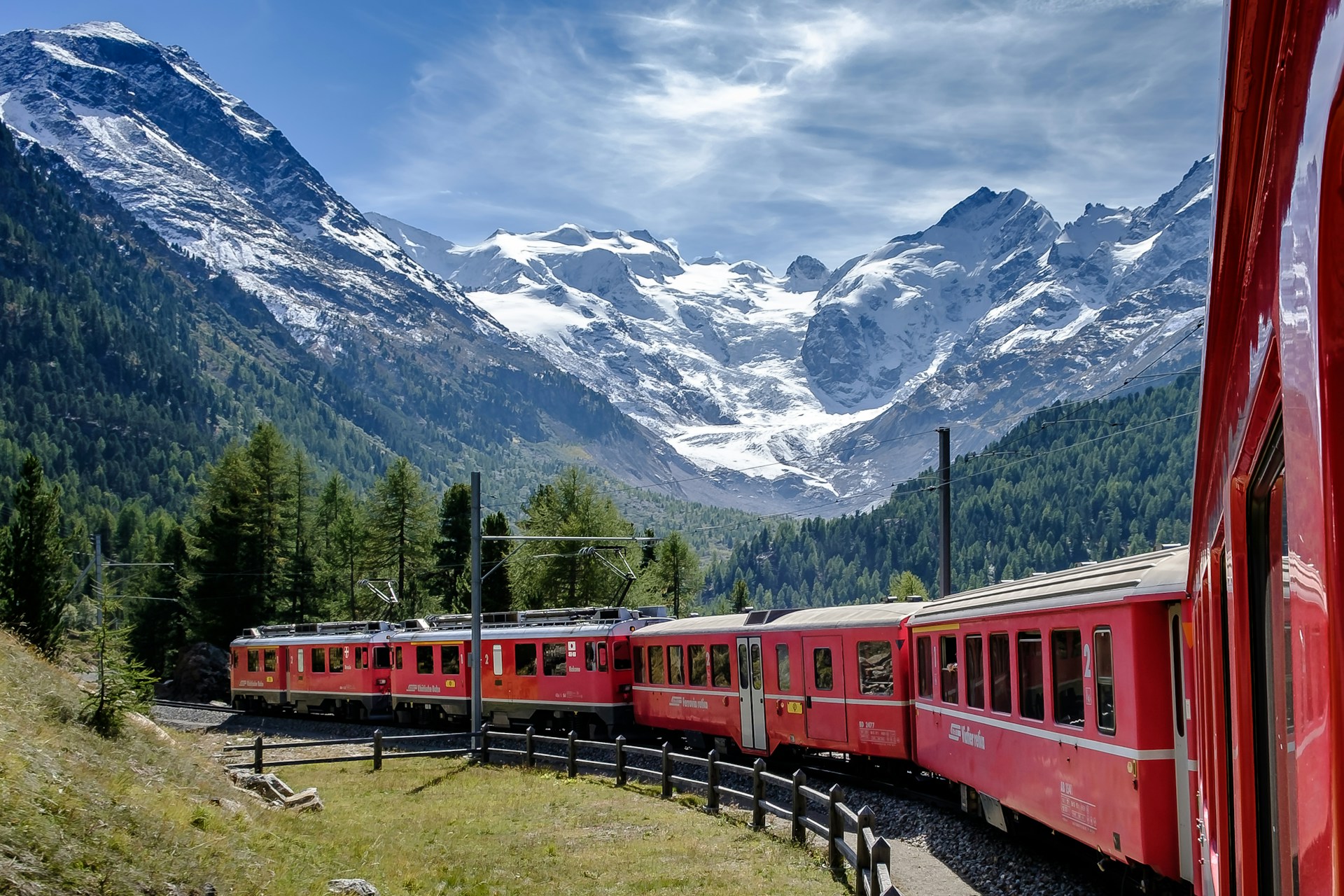
Switzerland has mastered something that the modern world keeps failing to figure out: transportation that feels like a journey rather than a chore. The train network is famously precise, yes, but it’s also genuinely beautiful. The Glacier Express from Zermatt to St. Moritz takes eight hours and crosses 291 bridges. Nobody complains. Instead, passengers press their faces to the glass, watch the valleys drop away below, and order another hot chocolate from the dining car. Meanwhile, the GoldenPass Panoramic line between Montreux and Interlaken climbs through vine terraces, mirror-flat lakes, and dairy pastures so green they almost seem invented.
For the walkers among us, Switzerland’s trail network is nothing short of a miracle over 65,000 kilometres of marked paths wander through forests, across meadows, and up into the thin, clean air of the high Alps. Nevertheless, slow travel on a Swiss trail doesn’t mean covering kilometres. It means stopping to watch a marmot eat. It means sitting on a boulder for twenty minutes because the shadow of a cloud moving across the valley is genuinely worth watching. It means choosing the longer route because it passes a waterfall. When you’re ready to experience this kind of deep Alpine calm from the comfort of your own fireside retreat, find your cosy Alpine escape with Hygge Cottages and let the mountain life wrap around you properly.
The Swiss Hygge: Finding Your People, Your Fire & Your Inner Quiet
The Swiss don’t have a direct word for hygge, that Scandinavian concept of deliberate cosiness and togetherness, but they practise it instinctively. A cold evening in a mountain village almost always ends the same way: people gathering. Around a cheese pot, a fire, a wooden table with a checked cloth. There’s something about the scale of the Alps, the sheer, humbling immensity of them, that draws human beings together. When the mountains remind you how small you are, warmth becomes essential. And the Swiss have built their culture around exactly that kind of warmth.
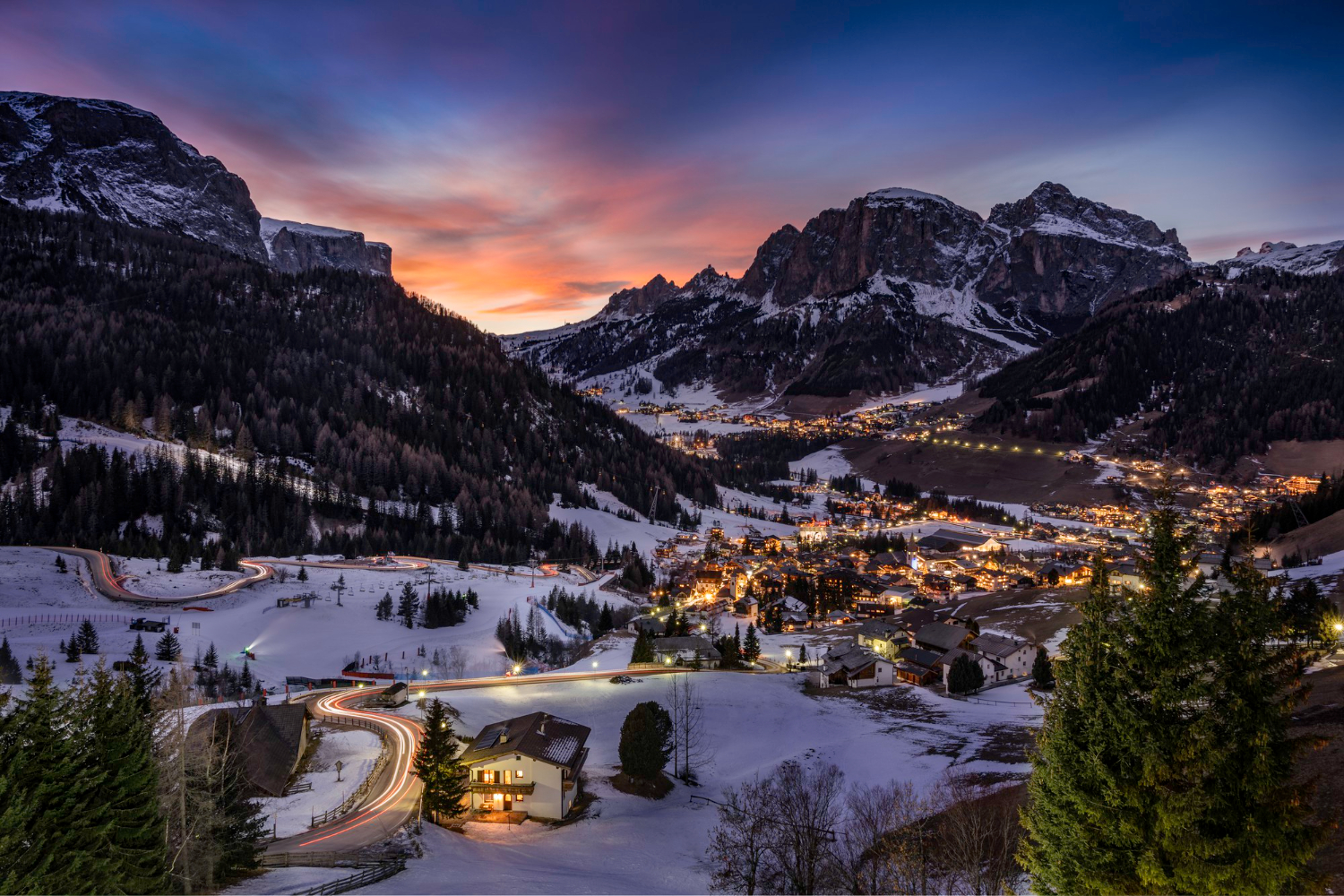
Therefore, if you’re looking for the spiritual heart of slow Switzerland, don’t search for it on a mountain peak. Search for it in the amber glow of a Stübli, a small, wood-panelled inn common throughout the country where locals nurse their Rivella and the evening has nowhere to be. Search for it in the Saturday markets of smaller towns, where the cheese monger knows your name by your second visit. Search for it in the quiet of a snowbound village at dusk, when the only sound is the distant clang of a bell and your own breathing slowing, finally, to match the pace of everything around you. That stillness, that complete and luminous stillness, is Switzerland’s greatest gift. And it costs nothing at all.
When to Go & How Long to Stay: The Honest Slow Traveller’s Calendar
Switzerland is a four-season destination, and each season makes a completely different argument for why it’s the best time to visit. Spring arrives tentatively in April, melting snow into wildflower meadows practically overnight. Summer (June through August) brings long, golden evenings and every hiking trail open for business. Autumn, however, is the slow traveller’s secret season; the crowds thin, the light turns amber and cinematic, and the valleys fill with a golden haze that makes every photograph look like a painting from another century. Winter, of course, is its own universe of snowflake magic.
As for how long to stay longer than you planned, that’s the honest answer. Most people arrive planning five days and leave wishing they’d taken ten. Slow travel demands time, and Switzerland rewards generosity with your itinerary. Book a chalet for a week in a single valley rather than three days each in five cities. Let yourself have two breakfasts in the same café. Walk the same trail twice and notice what changed. In conclusion, the whole philosophy of slow Switzerland can be reduced to one simple invitation: come not to conquer this country, but to be changed by it. Give it enough of your time and, without question, it will.